Learn more

Available on:

HSA/FSA eligible

Live life without limits

Connect Pelvic Floor Fitness is a comprehensive training platform that treats the pelvic floor as the foundation of total-body strength. 

Start Your Journey

Available on:

HSA/FSA eligible

Learn more

Women
impacted

0
0

Connect PFF by the numbers

Connect PFF 
workouts completed

Fully guided workouts 
(and counting!) 

Women affected by 
pelvic floor dysfunction

0
0
0

in

You shouldn’t have to choose between getting stronger and feeling supported by your pelvic floor. 

Many women quietly step back from workouts they love because of pelvic floor symptoms — like leaking, pressure, and pain — that they can't quite explain and have been told to accept. 

But these symptoms aren't inevitable; they're signals worth paying attention to. Connect teaches you how to train your body with your pelvic floor, not against it, to build foundational strength that supports everything else you do.

root cause fitness for women

The pelvic floor fitness program your body has been asking for

confidence from the core 

Connect brings pelvic floor education and real strength training together in a complete platform developed by Caroline Packard, a pelvic floor physical therapist and mom of three. Members get unlimited access to progressive pelvic floor workouts for women, educational e-books, live Q&As, and a members-only community built around women like you.

Progressive pelvic floor workouts for women

From foundational pelvic floor exercise programs to advanced strength training, Connect gives you a clear, structured path forward — building real strength at every stage without guesswork, stalling, or setbacks.

Start Your Journey

10+

specialized training programs

Expert guidance and community, all in one place

From foundational pelvic floor exercise programs to advanced strength training, Connect gives you a clear, structured path forward — building real strength at every stage without guesswork, stalling, or setbacks.

Join the Conversation

500+ guided workouts, with more added monthly 

Our complete workout library includes strength training, HIIT, advanced core, yoga, mobility, and more. Every workout is designed specifically for women and built to progress with you. We add new workouts every month so your library keeps expanding alongside your goals.

Explore the Workouts

Strength that speaks for itself 

Hear it from our members 

Cynthia

“Thank you for creating this community. It’s helped me keep my goal of staying mobile for great quality of life as I transition into my next phase as a mom, a wife, and a career woman.”

DEsiree 

“Honestly, it feels like a miracle. I’ve done other diastasis recti programs before, and while they helped, I was still symptomatic. This program is seriously life changing.”

NICOLE

”I wholeheartedly recommend this program to anyone who has been told to live with symptoms or that surgery is the only option. It has transformed my approach to fitness and my overall well-being.”

LEAH

“The cues Caroline gives have allowed me to sync my breathing and activate my core in a way I didn’t think was possible after my c-section 15 years ago.”

As seen in

Could your pelvic floor be what’s holding you back?

Many women don't realize that pelvic floor dysfunction is at the root of their symptoms and training setbacks. Take our quick quiz to find out where you stand and get a clear path forward.

Core Foundations Challenge

Connect PFF Core Foundations

Our free 10-day beginner video series to improve your pelvic floor and strengthen your core integration.

Join Now
Mom Pooch Ebook

Five Habits That Are Giving You a Mom Pooch

Caroline breaks down common habits that can lead to a 'mom pooch' over time, and how to correct them.

Download Now
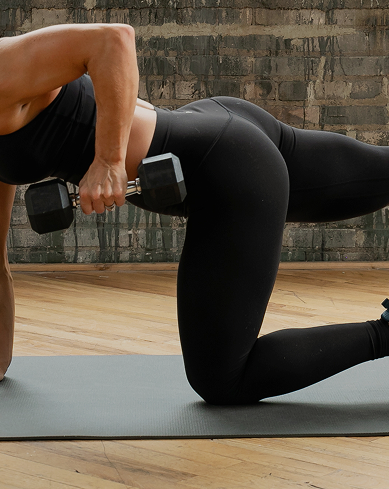
Glutes and Core Challenge

Ignite Your Glutes & Core

Awaken your core, build stronger glutes, and lay the foundation for strength gains in this 14 day challenge.

Start Now
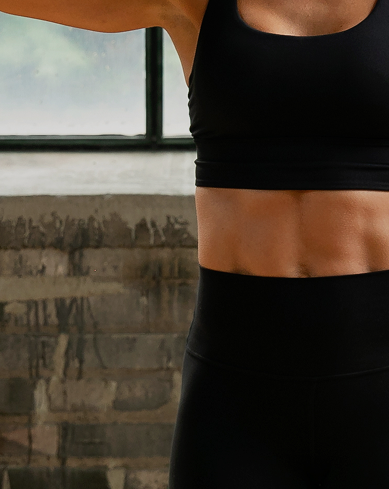
Wide Ribs Ebook

Your Guide to Wide Ribs

Understand the negative impact of widened ribs on your pelvic floor and core.

Download Now
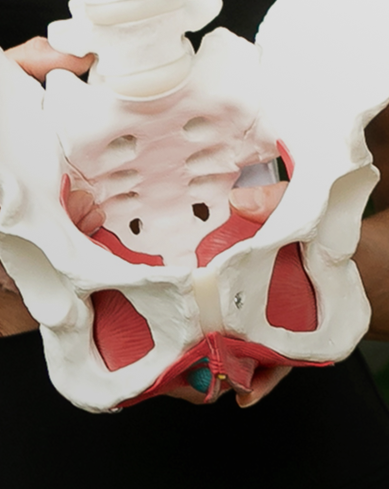
Scar Tissue Ebook

Educate Yourself Through Our Scar Tissue Mobilization Guide

Learn more about the importance of scar tissue mobilization for better tissue function.

Download Now
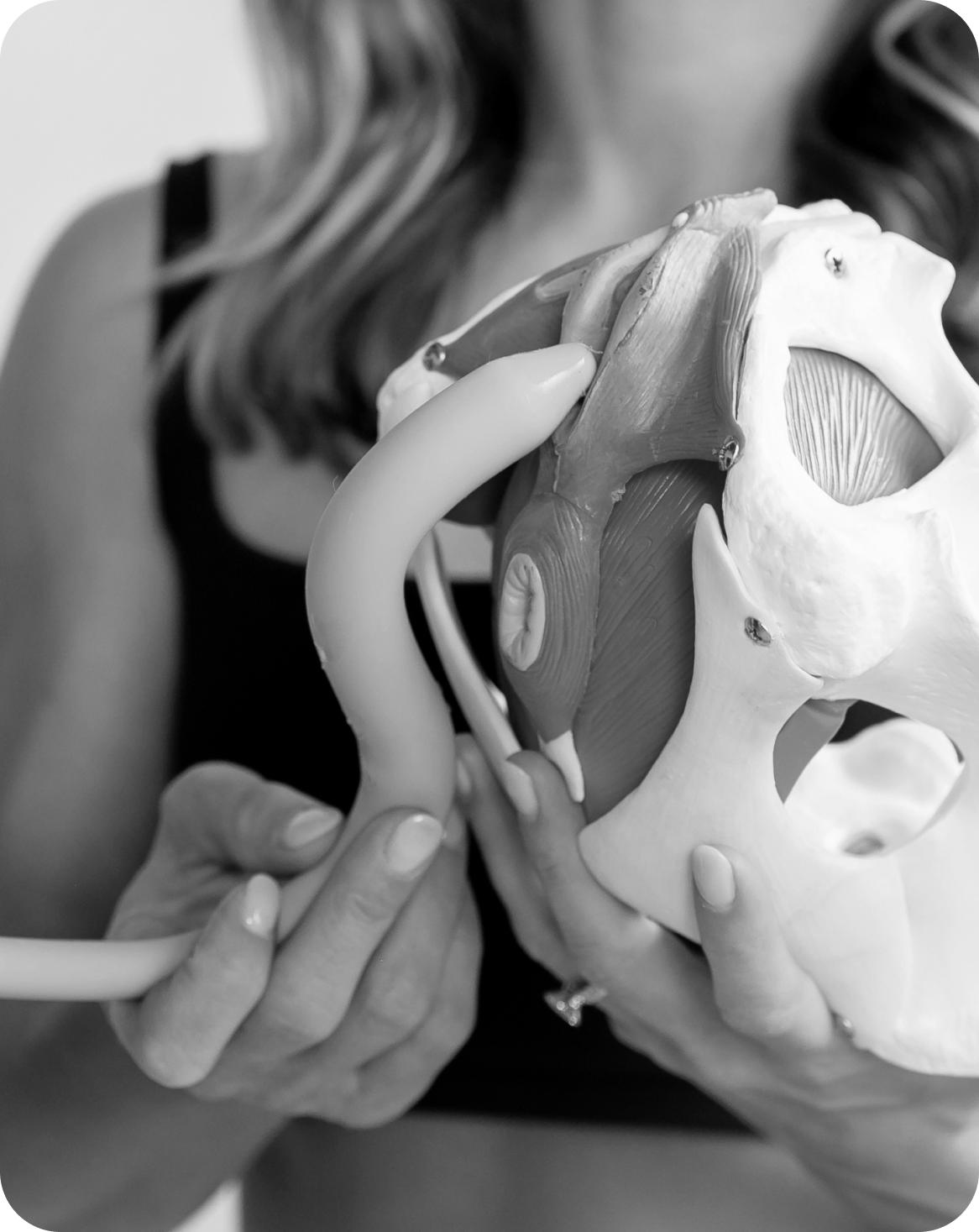
Explore our free challenges & e-books to start building a strong foundation

This one’s on us

Reclaim your strength today

Stop managing symptoms and start building real solutions with our pelvic floor workouts and exercises for women. 

Learn more

HSA/FSA eligible
Frequently asked questions

FAQ Accordion

Pelvic floor dysfunction is incredibly common after childbirth, but that doesn't mean it's inevitable or permanent. Symptoms like leaking, prolapse, pelvic pressure, and core weakness are signals that your pelvic floor needs attention, not something to quietly accept as the price of motherhood. With the right approach, most women see significant improvement regardless of how long ago they gave birth.

This is one of the most common concerns we hear, and it makes complete sense. Connect is designed to meet you where you are, starting with our foundational coursework that prioritizes education and safety before progressing. Every program begins with an assessment so you understand your starting point, and every workout is fully coached with form, alignment, and breathing cues to ensure you're moving in a way that supports your pelvic floor, not strains it.

Yes, and this is one of the most common reasons women join Connect. Leaking during exercise is a sign that your pelvic floor isn't managing pressure effectively under load. Through progressive pelvic floor workouts that integrate breath, core, and movement mechanics, Connect helps you rebuild that pressure management system so you can train hard without the worry. Many members see significant improvement within the first few weeks of the foundational program.

Kegels isolate one small part of a much larger system. Your pelvic floor works in coordination with your breath, core, glutes, and hips, and training it in isolation often misses the root cause of dysfunction entirely. In some cases, kegels can actually make symptoms worse, particularly if the pelvic floor is already too tight. Connect's approach integrates pelvic floor function into whole-body strength training, addressing root causes rather than repeating exercises that haven't worked.

Most people assume that leaking, prolapse, or pelvic pressure means their pelvic floor is weak. But the truth is, most women actually have too much tension—often from everyday habits like sucking in their stomach, gripping their glutes, and bracing through their core.

Until that muscle can move through its full range of motion, we can't actually know if it's weak. And more often than not, what looks like pelvic floor weakness is really the pelvic floor overworking to compensate for other muscles—like the inner thighs, glutes, and core—not doing their job.

Signs your pelvic floor may be weak:

  • Decreased sexual satisfaction or sensation
  • Inability to control flatulence from the vagina or anus
  • Fecal incontinence

Signs your pelvic floor may be too tight:

  • Pain with intercourse
  • Difficulty starting your stream of urine
  • Constipation
  • Back, abdominal, or hip pain
  • Urinary urgency and frequency

Signs of both:

  • Leaking (urine, gas, or stool)
  • Tampon falling out
  • Pelvic organ prolapse
  • Inability to control flatulence

The fix is completely different depending on which one you're dealing with—which is why random Kegels don't work for everyone. The right approach starts with understanding what your pelvic floor is actually doing.

Yes and here's why it's actually essential: Most people think diastasis recti is purely a core problem, but your pelvic floor is part of your core. The pelvic floor, diaphragm, deep abdominals, and back muscles all work together as one pressure management system. When that system is off, everything is off, including your ability to strengthen your diastasis. The real issue with diastasis isn't just the midline itself, it's how your body is managing pressure. Without proper pressure control awareness, many exercises can make things worse because they spike intra-abdominal pressure and push outward on that weakened midline. Pelvic floor work does the opposite; it teaches your whole system to manage pressure from the inside out, which is exactly what healing diastasis requires. So no, you don't need to avoid pelvic floor exercises. You actually need to prioritize them. Start with breath, learn how your pelvic floor and core connect, and build from there.

The traditional "wait 6 weeks" rule is outdated and it leaves women without support during one of the most physically demanding times of their lives. New moms are breastfeeding, lifting babies, sitting in awkward positions for hours, and running on no sleep. That's a lot of stress on a body that just did something incredible. Waiting six weeks with zero guidance doesn't protect you, it just leaves you on your own. That said, what we're talking about in those early weeks isn't training. It's restoring. Gentle breathwork, mobility, and reconnecting with your pelvic floor supports tissue healing and helps your postural system adapt to the very real demands of new motherhood. This is gentle, supportive movement, not a workout. As long as you had a healthy delivery and feel ready to move, this kind of work is appropriate to start. Listen to your body, honor where you are, and know that taking care of your pelvic floor now is one of the best things you can do for your long-term recovery.

This program is not specifically designed for pregnancy, although many of the concepts—breathing, core coordination, hip strength, and pressure management—are very helpful during pregnancy.

If you’re pregnant and considering the program:

  • You should be healthy, symptom-free, and cleared by your doctor or midwife to exercise
  • You should never perform any movements that feel uncomfortable, unsafe, or too intense for your body
  • Listening to your own symptoms, energy, and intuition is essential

It’s also important to know that this program is designed to become progressively more challenging over time, which is not aligned with the physical demands and safety considerations of pregnancy. Some phases may no longer be appropriate as your pregnancy progresses.

If you choose to participate, we recommend moving slowly, modifying as needed, and stopping any movement that doesn’t feel right for your body.

At a minimum, you’ll need:

  • Long resistance bands
  • Circle/mini bands
  • A set of weights
  • An elevated surface like a step, ottoman, sturdy cooler, bench, or stairs
  • A place to anchor your bands

Budget-friendly band anchor option:

A simple doorway and a toilet paper roll work perfectly if you don’t have specialized equipment.

We also provide a complete Membership Equipment list with different budget options and recommended products.

Yes. Back, hip, and SI joint pain are often not a structural problem — they're a coordination and strategy problem. The pelvic floor, deep core, diaphragm, and hips all work together as one system. When that system is out of sync, whether from poor breathing mechanics, muscle imbalances, or habits of gripping and holding tension, the lower back and hips end up overworking to compensate. This program teaches you how to restore that coordination from the ground up — breathwork that supports your spine, deep core control, hip and rib mobility, and progressive strength training that addresses root causes rather than chasing symptoms. Many women join without any pelvic floor symptoms and see significant improvement in their back and hip pain simply because they finally addressed what was actually driving it.

Yes, this is the program for you. Pelvic floor issues like leaking, a mommy pooch, prolapse, and diastasis are actually incredibly common in active, fit women. These issues rarely come down to weakness. More often it's about coordination, pressure management, a strength mismatch between muscle groups, or habits of gripping and holding tension in all the wrong places. Your body may be strong but if those systems aren't working together, symptoms show up no matter how hard you train. The solution isn't to train harder or give up the things you love. It's to step back and rebuild the foundational mechanics that support every workout, every lift, and every run. We recommend starting at the beginning of Pelvic Floor Foundations, where we refine the important foundation your body needs to perform without symptoms. Once your foundation is solid, you can confidently progress into more advanced training with proper pressure and pelvic floor mechanics supporting every movement.

Yes. Connect is HSA/FSA eligible through our partner Flex. To get started, visit our Flex page and complete a short 2-minute consultation with a licensed provider. (Note there is a $15 consultation fee, which is also HSA/FSA eligible.) You'll receive a Letter of Medical Necessity within 2 hours, valid for one year. From there, purchase your Connect membership using a standard payment method, then submit your membership receipt and Flex Letter to your HSA/FSA provider for reimbursement.

Deep dives from Caroline

The blog