
Caroline Packard is a pelvic floor physical therapist, certified yoga instructor, fitness enthusiast, and mom of three. Today, as a pelvic floor physical therapist with 15+ years of clinical expertise, she has built a method grounded in both professional knowledge and lived experience. Connect exists because every woman deserves to feel strong, confident, and limitless in her body.
Meet Caroline

If you’ve noticed your pelvic floor symptoms getting worse around your period, you’re not alone.
Many women experience:
- More bladder leakage before their period
- Increased urgency during their cycle
- Pelvic heaviness or prolapse symptoms that feel worse
And most of the time, they’re told:
“It’s just hormones.”
But that explanation doesn’t actually help you understand what’s happening, what it means for your progress, or how to respond.
So let’s break this down in a way that actually makes sense.
How Hormones Affect the Pelvic Floor
The pelvic floor does not work in isolation. It functions as part of a pressure system that includes your diaphragm, ribcage, abdominals, and hips. This system is driven by your breath and relies on coordination, not just strength.
When that system is working well:
- Pressure is distributed efficiently
- The pelvic floor lengthens and lifts when needed
- Your body adapts to movement, load, and impact
But this system is also influenced by internal factors, including hormonal changes throughout the menstrual cycle.
Hormones can affect
- Tissue elasticity
- Muscle responsiveness
- Bladder sensitivity
Which is why pelvic floor symptoms during your cycle can feel inconsistent or more noticeable at certain times of the month.
Why Pelvic Floor Symptoms Get Worse Before Your Period
Research on pelvic floor symptoms and the menstrual cycle is still limited, but one study found that 41% of women reported cyclical changes in urinary incontinence, most often before or during their period.
There are a few key reasons this may happen.
1. Estrogen Drops Before Your Period
As estrogen decreases after ovulation, tissues may become slightly less elastic and a bit stiffer, which can temporarily reduce how well the pelvic floor adapts to pressure and movement.
This can lead to:
- Pelvic heaviness
- Increased pressure
- Prolapse symptoms feeling worse before your period
Hormonal shifts can also influence structures that support the pelvic floor, including changes in cervix position and urethral support. These subtle shifts affect how pressure is managed through the system, which may contribute to increased leakage, pressure, or prolapse symptoms during certain phases of your cycle.
For women dealing with prolapse, these fluctuations can feel especially noticeable, since symptoms like heaviness and pressure are already influenced by how well the system is managing load and support.
2. Progesterone Can Increase Bladder Urgency
Hormonal shifts also influence how your bladder behaves.
Higher progesterone levels may:
- Increase bladder muscle activity
- Cause more frequent contractions
This is one reason why bladder urgency during your menstrual cycle or right before your period can feel worse, especially if your bladder is already more reactive or sensitive to inputs like fluid intake, habits, or irritants. This is something I break down further in how to manage urinary urgency.
3. Your System Is More Sensitive (Not Weaker)
This is where most people misinterpret what they’re feeling.
If your pelvic floor symptoms change during your cycle, it does not mean:
- Your pelvic floor is getting weaker
- Your progress is gone
- Your program isn’t working.
It means your system is responding to hormonal changes.
We see this often: symptoms can fluctuate with hormones, stress, and routine changes without indicating regression.
What This Does NOT Mean
If you experience:
- Urinary leakage before your period
- Increased urgency during your cycle
- Worsening prolapse symptoms
It does NOT mean you need to start over.
These changes are:
- Temporary
- Hormone-driven
- Part of how your body adapts
These short-term changes are driven by hormonal shifts, not a loss of strength or progress.
What To Do When Pelvic Floor Symptoms Flare Around Your Cycle
Instead of reacting by doing more exercises or pushing through symptoms, focus on supporting your system.
Breathing and Pressure Management
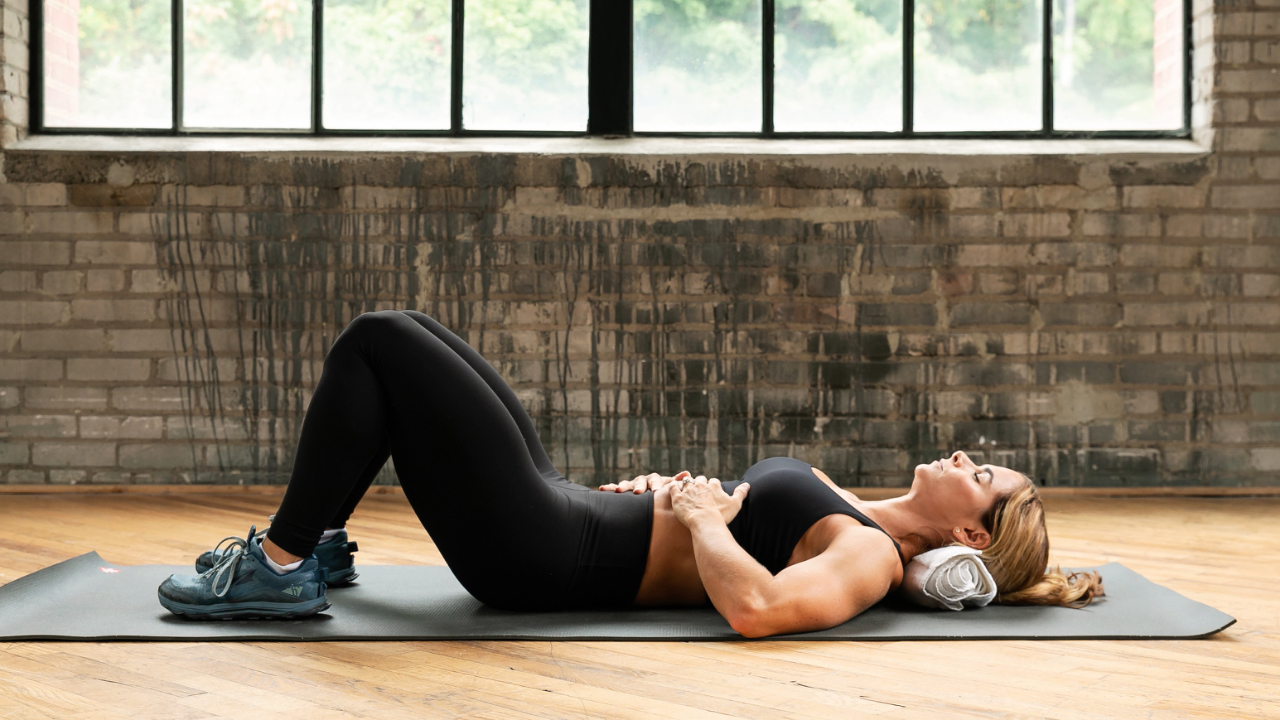
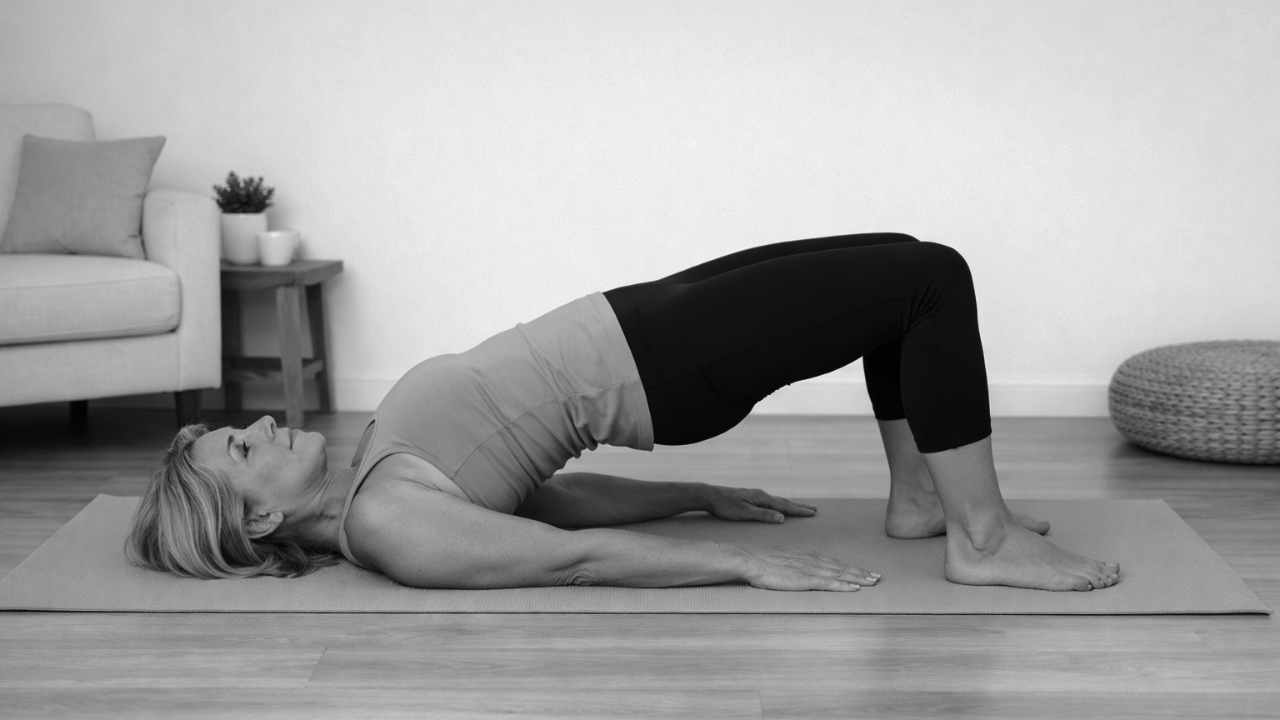
Your pelvic floor responds directly to how you breathe. If pressure is not well distributed, more load is directed downward. Focusing on ribcage mobility and connecting to the pelvic floor to minimize excessive tension allows it to respond more effectively. Try this follow-along yoga flow to reduce tension.
Movement Quality
Pay attention to ribcage position, pelvic alignment, and control during exercise. When hormonal fluctuations hit, dial in on form and movement to optimize your pressure control success.
Bladder Habits and Irritants
Caffeine, carbonation, and “just in case” peeing can have a bigger impact when your bladder is more sensitive. Minimize them during this time, try an OTC acid reducer, and stay hydrated with water to decrease irritants.
Adjust Your Training (Without Stopping)
Scaling intensity during your cycle is not a setback — it’s how you continue progressing without reinforcing symptoms.
Use Additional Support If Needed
In some cases, using extra support (like a pessary or similar device) can help manage symptoms during higher-symptom phases without needing to stop activity altogether.
Why Kegels Alone Don’t Fix This
When symptoms fluctuate, it’s tempting to try to “fix” them by doing more pelvic floor exercises.
But this often misses the bigger picture.
Because the pelvic floor is not a standalone muscle, it’s part of a coordinated system that manages pressure, movement, and load. This is exactly why kegels aren’t the fix you’ve been promised.
This is a great example of how pelvic floor symptoms are not just about strength, but about how the entire system responds to changing conditions.
The Bottom Line
If your pelvic floor symptoms get worse before your period or during your cycle, it’s not a sign that your body is failing.
It’s a sign your body is responding to hormonal changes.
These fluctuations are:
- Common
- Temporary
- Manageable.
And when you understand how to support your system, you can continue making progress, even during these phases.
Want Help Managing This Without Guessing?
If you’re noticing patterns in your symptoms but aren’t sure how to adjust your workouts, breathing, or training approach…
That’s exactly what I help you do inside my membership.
You’ll learn how to:
- Manage pressure effectively
- Build strength without increasing symptoms
- Adjust your training based on what your body needs
Leave a Reply Cancel reply



Browse by Category
Reclaim your strength today
Stop managing symptoms and start building real solutions with our pelvic floor workouts and exercises for women.
Learn more
HSA/FSA eligible
Copyright 2026, Connect Pelvic Floor Fitness. Fitness Disclaimer | Privacy | Terms & Conditions | Website design by Isla Luna Studio
Keep up with Connect
Explore
Download the app
Contact
FAQ
Account
Membership
About
Blog
Support
Pelvic floor workouts, training tips, and more from Caroline — straight to your inbox.
